What PCOS Actually Is
PCOS stands for Polycystic Ovary Syndrome, but the name is misleading. PCOS is not actually a cyst problem. It is a metabolic and hormonal condition that affects how your body handles insulin, hormones, inflammation, and stress.
Most women with PCOS have some level of insulin resistance, meaning their cells do not respond well to insulin. This causes the body to produce more insulin to compensate. Elevated insulin then signals the ovaries to produce more androgens, or male-type hormones like testosterone. That hormonal imbalance is what drives many PCOS symptoms.
PCOS exists on a spectrum. You do not need to have ovarian cysts to have PCOS. You do not need to be overweight. You do not need to miss every period. This is why so many people struggle to get diagnosed or feel dismissed.
At its core, PCOS is a whole-body condition involving metabolism, hormones, gut health, and nervous system regulation.
Common PCOS Symptoms
PCOS can show up differently for everyone, but the most common symptoms include:
-
Irregular or missing periods
-
Difficulty ovulating or getting pregnant
-
Acne, especially along the jawline and chin
-
Excess facial or body hair growth
-
Hair thinning or hair loss on the scalp
-
Weight gain or difficulty losing weight
-
Strong cravings, especially for carbs or sugar
-
Fatigue and low energy
-
Blood sugar crashes or feeling shaky when you do not eat
-
Bloating, constipation, or digestive issues
-
Anxiety, low mood, or feeling emotionally flat
Many people blame themselves for these symptoms. PCOS is not a willpower issue. It is a physiological response to internal imbalance.
The Role of Insulin Resistance in PCOS
Insulin resistance is one of the most researched drivers of PCOS. When insulin stays elevated:
-
Androgen levels increase
-
Ovulation becomes irregular
-
Fat storage increases, especially around the abdomen
-
Inflammation rises
-
Hormonal signaling becomes chaotic
This is why simply eating less or exercising more often backfires. Restriction and overtraining raise cortisol, which worsens insulin resistance and hormone imbalance.
Healing PCOS requires improving insulin sensitivity, not punishing your body.
How a Plant-Based Diet Supports PCOS
A whole-food, plant-based or plant-forward diet directly targets the root drivers of PCOS.
Improves insulin sensitivity
Fiber slows glucose absorption and reduces insulin spikes. Plant foods are naturally high in fiber and low in saturated fat, which improves how insulin works at the cellular level.
Research consistently shows that diets high in whole plant foods improve insulin sensitivity, even without weight loss.
Lowers inflammation
PCOS is associated with chronic low-grade inflammation. Antioxidants, polyphenols, and phytonutrients found in plants help calm inflammatory pathways that disrupt hormone signaling.
Supports estrogen and androgen metabolism
Fiber helps the body properly eliminate excess hormones through the gut. When fiber intake is low, estrogen and androgen metabolites can be reabsorbed, worsening symptoms.
A healthy gut is critical for hormonal balance.
Supports a healthy gut microbiome
Gut bacteria play a role in insulin resistance, inflammation, and hormone regulation. Diverse plant foods feed beneficial bacteria that support metabolic and hormonal health.
Nourishes without restriction
Plant-based does not mean low protein, low energy, or restrictive. When done correctly, it supports stable blood sugar, adequate protein, and consistent energy.
Key Foods That Support PCOS Healing
High-fiber carbohydrates
These help stabilize blood sugar and reduce insulin spikes.
-
Lentils and beans
-
Chickpeas
-
Oats
-
Quinoa
-
Sweet potatoes
-
Fruit paired with protein or fat
Plant-based protein sources
Adequate protein is essential for blood sugar stability and hormone signaling.
-
Tofu and tempeh
-
Lentils
-
Edamame
-
Beans
-
High-quality plant protein powders
Healthy fats
Fats help reduce inflammation and support hormone production.
-
Avocado
-
Olives and olive oil
-
Nuts and seeds
-
Ground flaxseed and chia seeds
Anti-inflammatory foods
These help calm the stress response and improve metabolic health.
-
Berries
-
Leafy greens
-
Turmeric
-
Ginger
-
Green tea
Foods and Habits That Can Worsen PCOS Symptoms
This is not about perfection. It is about awareness.
-
Highly refined carbohydrates without fiber
-
Excess added sugars
-
Ultra-processed foods
-
Excess saturated fat
-
Skipping meals
-
Chronic dieting or under-eating
-
Over-exercising or excessive cardio
-
Poor sleep
-
Constant stress without recovery
These factors increase cortisol and insulin, which worsens hormonal imbalance.
Lifestyle Changes That Matter Just as Much as Food
Prioritize blood sugar stability
Eat balanced meals with protein, fiber, and fat. Avoid long gaps without food, especially if you experience crashes or anxiety.
Rethink exercise
PCOS responds best to strength training, walking, and gentle movement. You do not need to destroy your body to see results.
Manage stress intentionally
Chronic stress increases cortisol, which worsens insulin resistance and hormone imbalance. This includes emotional stress, under-eating, and over-training.
Support sleep
Poor sleep directly increases insulin resistance. Aim for consistent sleep and wake times when possible.
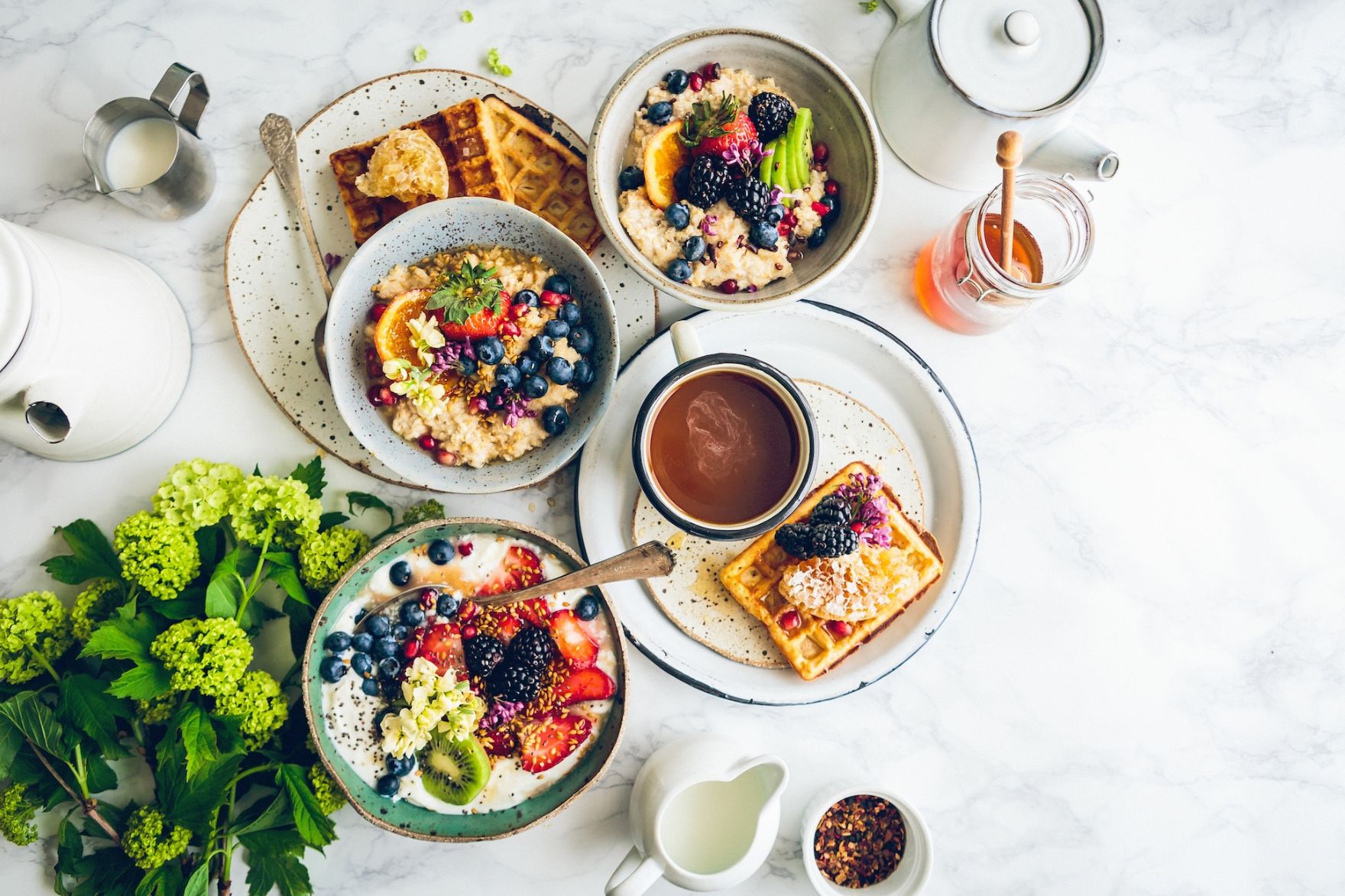
Sample PCOS-Balanced Day of Eating (Plant-Based)
This is an example of how to structure a day to support blood sugar, hormones, and energy. This does not need to be followed perfectly.
Breakfast
-
Tofu scramble with sautéed veggies like spinach, peppers, and mushrooms
-
Roasted sweet potato or sprouted grain toast
-
Avocado or olive oil
Why this works: protein, fiber, and fat first thing in the day help prevent insulin spikes and cravings later.
Mid-morning option if hungry
-
Protein smoothie with unsweetened plant milk, plant protein powder, berries, and ground flaxseed
Lunch
-
Lentil, tofu, or chickpea bowl
-
Quinoa or farro
-
Large portion of non-starchy vegetables
-
Tahini or olive oil-based dressing
Afternoon option if needed
-
Apple or berries paired with nuts or hummus
Dinner
-
Stir fry with tofu or tempeh
-
Mixed vegetables
-
Brown rice or cauliflower rice
-
Ginger, garlic, and herbs for anti-inflammatory support
Evening support
-
Herbal tea
-
Magnesium-rich foods earlier in the day like leafy greens and legumes
The goal is stable energy, not restriction. If you are crashing, obsessing about food, or constantly hungry, something needs to be adjusted.
Most Common Mistakes Plant-Based PCOS Women Make
This is where many well-intentioned people get stuck.
Under-eating protein
Plant-based does not mean low protein. Inadequate protein worsens blood sugar instability, cravings, hair loss, and fatigue.
Living on smoothies, salads, and snacks
These often lack enough calories, protein, and fat to support hormone balance. PCOS bodies need structure, not grazing.
Fear of carbohydrates
Fiber-rich carbohydrates improve insulin sensitivity. Removing them often increases cortisol and worsens symptoms.
Overdoing cardio
Excessive cardio raises cortisol and can stall fat loss in PCOS. Strength training and walking are more effective.
Skipping meals to fix insulin resistance
Long gaps without food can worsen blood sugar swings and increase stress hormones.
Expecting fast results
Hormones take time to respond. Healing PCOS is about trends, not quick fixes.
What Support Can Do That Information Alone Cannot
Knowing what to do and actually implementing it consistently are two very different things.
Support helps you:
-
Dial in protein and portions for your body
-
Stop under-eating without fear
-
Regulate blood sugar without obsession
-
Reduce stress and inflammation
-
Build habits that actually last
Ready for Personalized Support?
If you have PCOS and feel overwhelmed, stuck, or unsure how to apply this to your real life, you do not have to figure it out alone.
Book a free support call to talk through your symptoms, goals, and whether personalized coaching is the right next step for you.